
Tips for Creating a Relaxing Home Office Environment
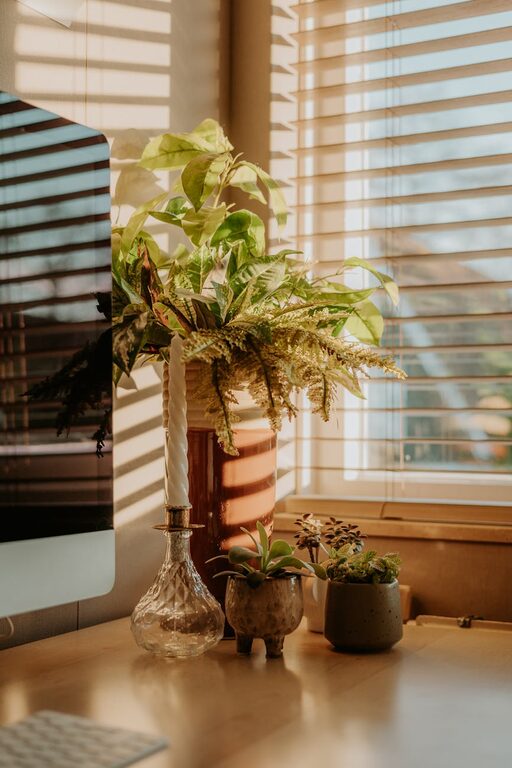
Creating a relaxing home office environment is essential for maintaining focus and productivity, especially when working from home. A well-designed workspace can reduce stress, increase comfort, and promote a positive mindset. Whether you have a dedicated room or a small nook, these tips will help you transform your home office into a calm and efficient space.
Choose the Right Location
Your home office location sets the foundation for a peaceful work area. Ideally, pick a spot that is quiet and away from household traffic to minimize distractions. Natural light is a bonus—it can enhance mood and reduce eye strain. If natural light is limited, invest in good quality, soft lighting that mimics daylight.
Consider These Factors:
– Proximity to windows for fresh air and light
– Away from noisy areas like the kitchen or entertainment zones
– Space for necessary furniture without cluttering
Invest in Comfortable Furniture
Comfort is key to creating a relaxing workspace. An ergonomic chair with good lumbar support will keep you comfortable during long periods of sitting. A desk at the right height, which allows you to maintain good posture, is equally important.
Tips for Furniture:
– Use adjustable chairs and desks if possible
– Add cushions or footrests for extra comfort
– Consider a standing desk option to vary your position throughout the day
Keep the Space Organized
Clutter can create mental distractions and increase stress. Keeping your home office tidy helps maintain clarity and focus. Use storage solutions like shelves, filing cabinets, or desk organizers to keep your materials neat.
Organization Ideas:
– Declutter regularly by removing unnecessary items
– Use labeled boxes or baskets to store supplies
– Maintain a minimal desktop with only essential items visible
Personalize Your Workspace
Adding personal touches can make your home office feel welcoming and relaxing. Choose decor that inspires and energizes you without being overwhelming. Plants, artwork, or calming colors all contribute to a soothing environment.
Ways to Personalize:
– Place a few low-maintenance plants on your desk or shelves
– Hang art or photos that motivate you
– Use calming colors like soft blues, greens, or neutrals for walls or accessories
Control Noise Levels
Noise can interfere with concentration and make your workspace stressful. Identify common sources of noise and find ways to reduce or mask them.
Noise Reduction Tips:
– Use noise-canceling headphones or white noise machines
– Add rugs, curtains, or cushions to absorb sound
– Close doors or use room dividers for quiet zones
Optimize Lighting
Good lighting reduces eye strain and enhances your mood. Avoid harsh overhead lighting and use a combination of natural, task, and ambient lighting.
Lighting Suggestions:
– Position your desk near a window if possible
– Use a desk lamp with adjustable brightness for focused tasks
– Choose warm, soft bulbs for a cozy atmosphere
Incorporate Break Areas
Taking short breaks helps to refresh your mind and body. If space allows, create a small area within or near your office where you can relax briefly.
Break Area Ideas:
– A comfortable chair or small sofa corner
– A spot with calming decor and soothing scents
– A place to stretch or practice quick mindfulness exercises
Maintain Good Air Quality
Fresh air promotes alertness and well-being. If your office lacks ventilation, consider adding air-purifying plants or using an air purifier.
Air Quality Tips:
– Open windows periodically for ventilation
– Choose indoor plants known for air purification
– Keep the space clean and dust-free
Set Boundaries Between Work and Home
Separating your work life from home life helps create balance. Define clear working hours and avoid working in areas meant for relaxation.
Boundary Strategies:
– Log off and physically leave your workspace when the workday ends
– Avoid eating meals or watching TV in your office area
– Use a do-not-disturb sign or signals when focusing
Establish a Routine
A consistent daily routine trains your mind to associate your home office with work and productivity. Start your day with a morning ritual, take scheduled breaks, and end work at a set time.
Routine Tips:
– Begin your day with light stretching or meditation
– Plan specific times for tasks and breaks
– Close your workspace with a clean-up or reflection
—
Creating a relaxing home office environment is about balancing functionality with comfort. By choosing the right location, investing in ergonomic furniture, reducing noise, and adding personal touches, you can design a space that supports both your work and well-being. Remember, the goal is to cultivate a space where you feel calm, focused, and motivated to do your best work.
Related Post
How to Create a Cozy Reading Nook in Any Space
Discover practical tips to design a cozy reading nook that fits any room size and [...]
Tips for Creating a Relaxing and Productive Home Office Space
Discover practical tips to design a home office that boosts productivity while providing a calm, [...]

Simple Tips for Organizing Your Home Workspace for Better Productivity
A well-organized home workspace can boost your productivity and reduce stress. Discover easy tips to [...]